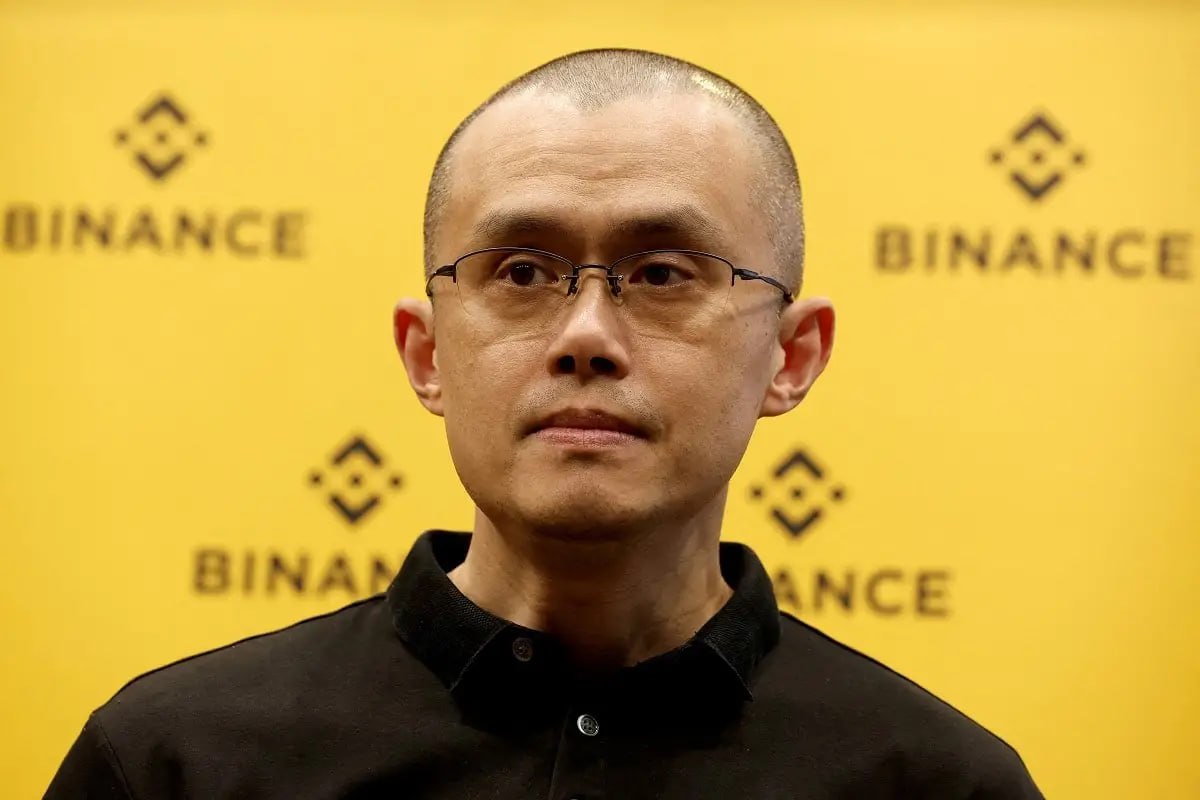
He stressed that the industry needs to use AI to prevent hacks linked to malicious AI. Binance’s co-founder called for the development of common security standards and a joint response to attacks. Discussions about such a framework are already under way with industry representatives. At the same time, he emphasized that banks have weaker security than crypto exchanges.
Binance published details of the hack, which lasted five months. The attackers gained access to the exchange’s employee database through fake job interviews. They then deployed malicious AI, obtaining access to the internal wallet-signing system. This allowed them to withdraw funds outside the usual withdrawal procedure. At the same time, Ethereum’s EIP-7702 mechanism, which allows transaction permissions to be delegated, did not make it possible to quickly stop the withdrawals.
Against this backdrop, Ethereum developers are accelerating the rollout of protections against quantum and AI attacks by a year. It is planned to be introduced in 2028. In October, due to the slow response to quantum threats, L2 solution Starknet announced a move to its own network.