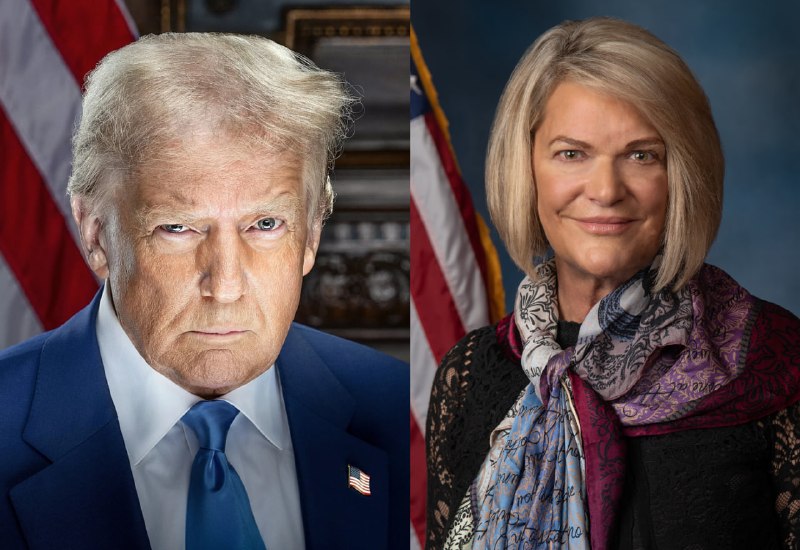
The 635-page bill was amended 126 times during yearlong bipartisan negotiations. Senator Cynthia Lummis emphasized that Trump had made significant ethical concessions. These were a key sticking point for Democrats in supporting CLARITY.
State attorneys general will be responsible for enforcing the ban on officials and their relatives owning and promoting cryptocurrencies. Earlier, Trump had pushed the idea that these powers should belong to the federal attorney general. Officials will be required to sell their crypto assets or place them in a trust. Violations will carry penalties of 20% of the proceeds from prohibited transactions. The ethics provisions will take effect 360 days after CLARITY is passed or after the relevant regulations are adopted.
The Treasury Secretary will be able to limit stablecoin yields in the event of a mass outflow of deposits from local banks. However, these powers will expire 18 months after the bill is passed. Other changes will strengthen protections against affiliated trading and conflicts of interest. In addition, the updated CLARITY preserves protections for crypto developers.
The vote on the bill will take place tomorrow. Polymarket estimates the probability of CLARITY being passed in 2026 at 31%.