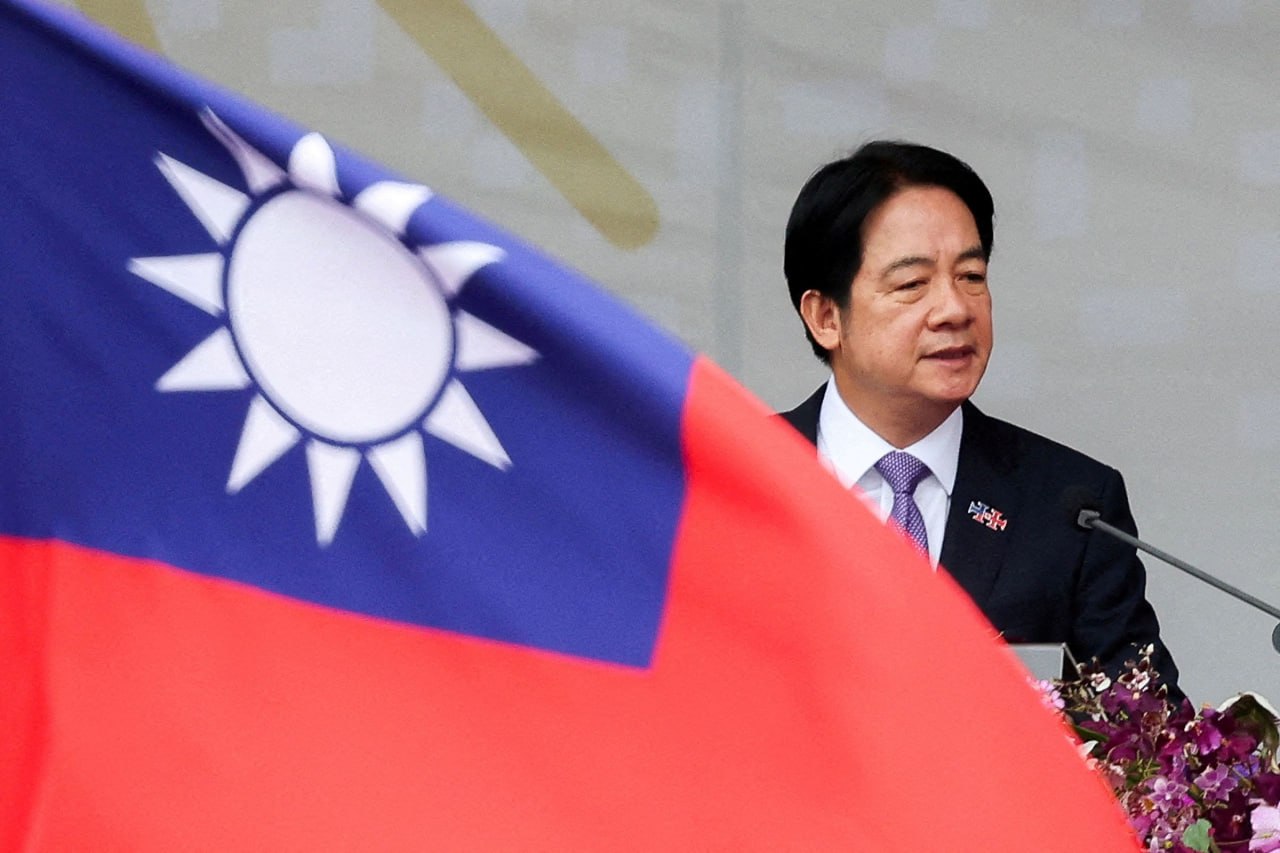
After parliamentary approval, it will be sent for signing to President Lai Ching-te. He is expected to promulgate the final law within 10 days, after which the Cabinet will determine its effective date. Industry representatives note that the new regulations open up opportunities for the participation of traditional financial companies. Virtual asset service providers will be required to obtain approval from the Financial Supervisory Commission (FSC) before commencing operations. The new law also introduces stricter requirements for cybersecurity, client asset segregation, and internal control. Additionally, for working with stablecoins, approval from the Central Bank is needed alongside the FSC, and full reserve backing must be maintained. Existing crypto firms will be given a grace period of up to 21 months. The legislation also stipulates fines of up to 200 million Taiwanese dollars ($6.3 million) and imprisonment for up to 10 years for violations.
News Stablecoins
Taiwan has passed the Virtual Asset Services Act, establishing a comprehensive legal framework.
After parliamentary approval, it will be sent for signing to President Lai Ching-te. He is expected to promulgate the final law within 10 days, after which the Cabinet will determine its effective dat...