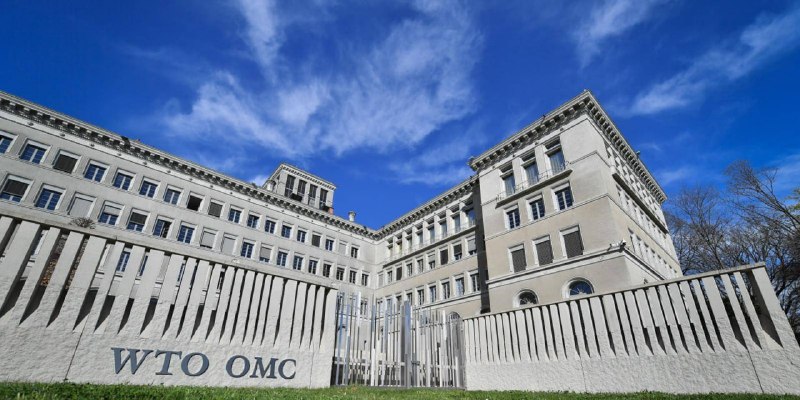
Juan Marchetti, head of the Investment and Services Division, noted that the constraints are not technological. The main reason is regulation and the lack of a sufficiently developed legal and regulatory framework. As a result, stablecoins account for only 3% of the volume of international payments.
Developing countries stand to benefit the most from the adoption of stablecoins, thanks to the potential for lower remittance fees. However, Marchetti noted that these same countries are the least advanced in developing the regulatory regimes needed to support their use. Only 11 of the 28 jurisdictions surveyed (39%) have completed their regulatory frameworks for stablecoins.
The WTO identified five problem areas that the adoption of stablecoins could help improve. These include reducing transfer costs and increasing speed and accessibility. In addition, the tokens can improve transparency and offset some currency restrictions.